
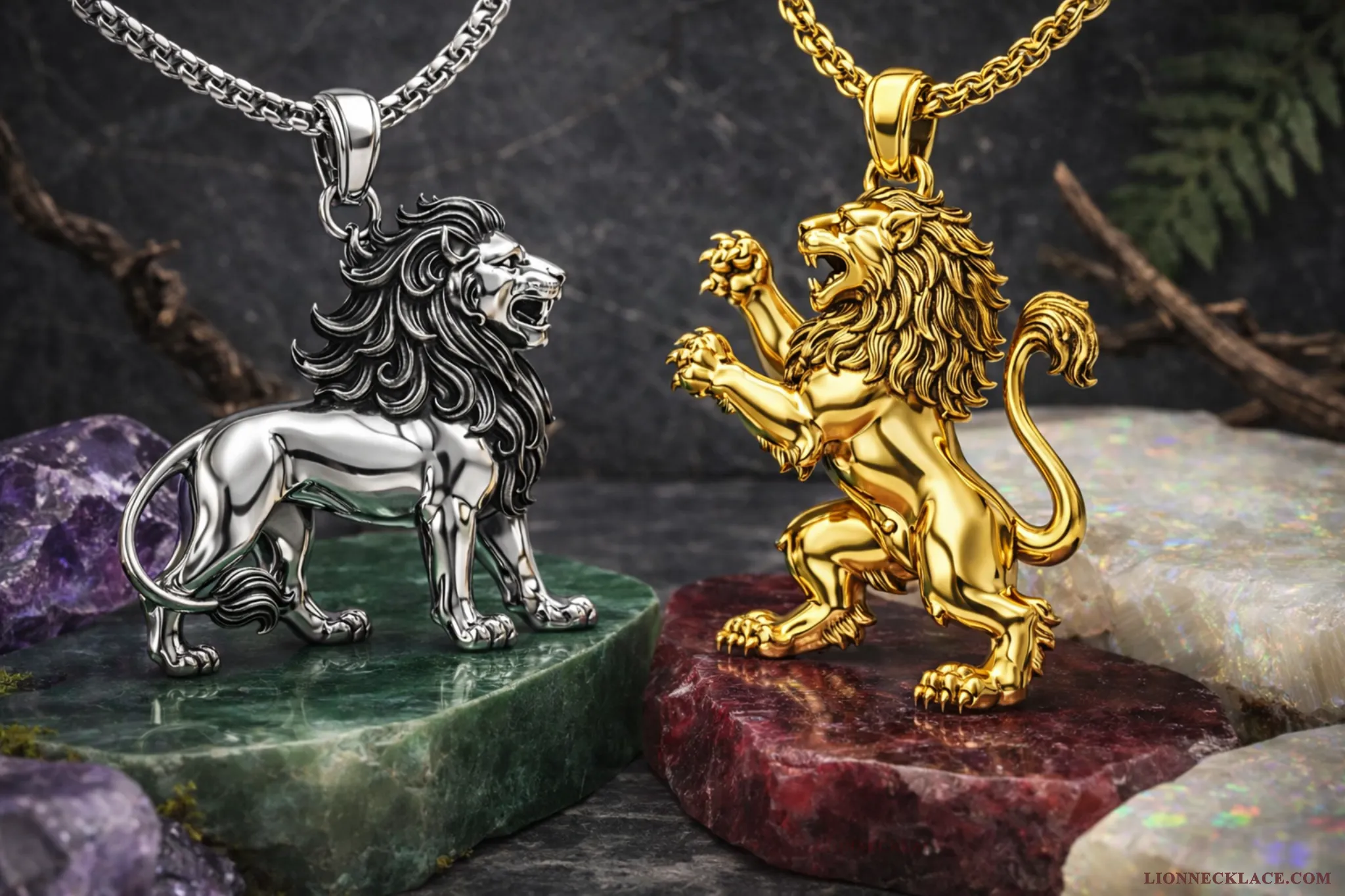
The Art of Choosing Fine Jewelry
Selecting the perfect piece of fine jewelry is an art that requires a comprehensive understanding of various elements, including the types of metals, gemstones, and craftsmanship involved. The first step in this intricate process is to familiarize oneself with different metals such as gold, silver, platinum, and palladium. Each metal has unique properties and aesthetic qualities that can significantly impact the overall look and feel of the jewelry.
Equally important is understanding the diverse range of gemstones available, from classic diamonds and sapphires to more contemporary choices like morganite and tanzanite. The quality of these gemstones is often evaluated based on the four Cs: cut, color, clarity, and carat weight. Grasping these criteria can help shoppers make informed decisions when selecting fine jewelry pieces.
Craftsmanship plays a pivotal role in the allure and durability of fine jewelry. A well-crafted piece not only showcases the artisan's skill but also ensures longevity and wearability. Look for hallmark signs that indicate the authenticity and quality of the metal or gemstone. These marks, often found in discreet locations on the jewelry, can provide valuable information about the piece's origin and composition.
Personal style is another significant factor in choosing fine jewelry. Consider how the piece complements your wardrobe and matches various occasions. For instance, understated elegance might be ideal for daily wear, while bold, statement pieces could be reserved for special events. Matching jewelry with your outfit can elevate your overall appearance, making it essential to choose pieces that resonate with your style preferences.
Staying updated on the latest trends in jewelry design can also guide your choices. Trends often reflect broader cultural shifts and innovations in design, offering fresh perspectives and options. Whether it's minimalist designs or intricate vintage styles, keeping an eye on current trends can help you find jewelry that feels both modern and timeless.
Once you've selected your fine jewelry, proper care is crucial to maintain its shine and longevity. Regular cleaning, proper storage, and occasional professional maintenance can preserve the beauty of your pieces. By understanding these aspects, you can ensure that your jewelry remains a cherished part of your collection for years to come.
Selecting the Ideal Watch: Function Meets Fashion
When selecting the ideal watch, it's essential to consider both functionality and fashion. Watches come in various types, each with unique characteristics. Mechanical watches, known for their intricate craftsmanship, require manual winding and are prized for their longevity and precision. Automatic watches, similar to mechanical ones, wind themselves using the wearer's movement, combining convenience with traditional watchmaking. Quartz watches, powered by batteries, are lauded for their accuracy and low maintenance.
Key features to consider when choosing a watch include the movement, complications, materials, and design. The movement—whether mechanical, automatic, or quartz—determines the watch's operation and upkeep needs. Complications, such as chronographs, moon phases, and dual-time zones, add functionality and complexity to a timepiece. The materials used, from stainless steel to precious metals and sapphire crystals, influence durability and aesthetics. Design elements, including the dial, bezel, and strap, should align with personal style preferences.
Matching a watch with one's lifestyle and wardrobe is crucial. For a formal setting, a classic dress watch with a minimalist design and a leather strap is ideal. Sport watches, often equipped with robust features like water resistance and shock absorption, suit active lifestyles. Casual watches, versatile in design, can effortlessly transition from day to night, complementing various outfits.
Brand reputation plays a significant role in the watch industry. Renowned brands, such as Rolex, Omega, and Patek Philippe, are synonymous with quality and prestige. Investing in a reputable brand often ensures superior craftsmanship and lasting value. Furthermore, limited editions and iconic models can appreciate over time, making them sound investments.
Proper maintenance is essential to keep watches in optimal condition. Regular servicing, typically every 3-5 years, ensures the movement functions correctly. Cleaning the case and strap, avoiding exposure to extreme temperatures, and storing watches in a safe, dry place can prolong their lifespan.
Emerging trends in the watch industry reflect a blend of tradition and innovation. Smartwatches, merging technology with timekeeping, offer features like fitness tracking and notifications. Sustainable practices, including the use of recycled materials and ethical sourcing, are gaining traction. Additionally, vintage and retro-inspired designs are making a comeback, appealing to both collectors and fashion enthusiasts.
0 Comments